St George’s Drive is quiet at eight in the morning. The residential streets around Georgian House Hotel don’t get busy the way the tourist zones do, and on a summer morning that’s the first thing you notice when you step outside: you’re in London, but it doesn’t feel like the London that’s about to become overwhelming by ten o’clock.
Belgravia and Pimlico are two of the city’s better-kept secrets for this kind of morning. Technically distinct neighbourhoods but connected by character — both residential, both built around garden squares, both the kind of place that rewards walking slowly with no particular objective.
Start in the squares
Pimlico is threaded through with garden squares, and in summer they’re at their best before the day has properly warmed up. Eccleston Square is one of the larger ones — a communal garden at the centre of a classic London terrace arrangement, the kind of thing that makes this part of the city feel genuinely liveable rather than just scenery. St George’s Square runs down to the Embankment and gives you a view toward the river. These aren’t tourist attractions with opening times and entrance fees; they’re just London streets that happen to be particularly good to walk along.
The streets themselves are worth the time. The scale of the buildings, the consistency of the Georgian and early Victorian terracing, the particular quality of early summer light on stone that hasn’t yet been bleached by a full day of sun. This is the kind of neighbourhood that rewards no plan more than it rewards a schedule.
Into Belgravia
Belgravia sits immediately north and west of Pimlico — the transition is gradual rather than marked, the streets shifting from the more modest residential scale of Pimlico toward the grander stucco terraces around Eaton Square and Belgrave Square. On a summer morning, both squares are worth walking through: large, well-kept, the city at its most composed.
Ebury Street, which runs between the two neighbourhoods, is one of those London streets that has kept a local character without becoming a tourist destination. Independent shops, coffee, the occasional bakery. The kind of street where people are actually doing their morning rather than sightseeing through it.
The walk from Georgian House through Pimlico and into Belgravia and back is manageable in an hour if you’re moving, longer if you’re not. There are no must-see landmarks demanding attention on the way round. That’s the point.
Tate Britain
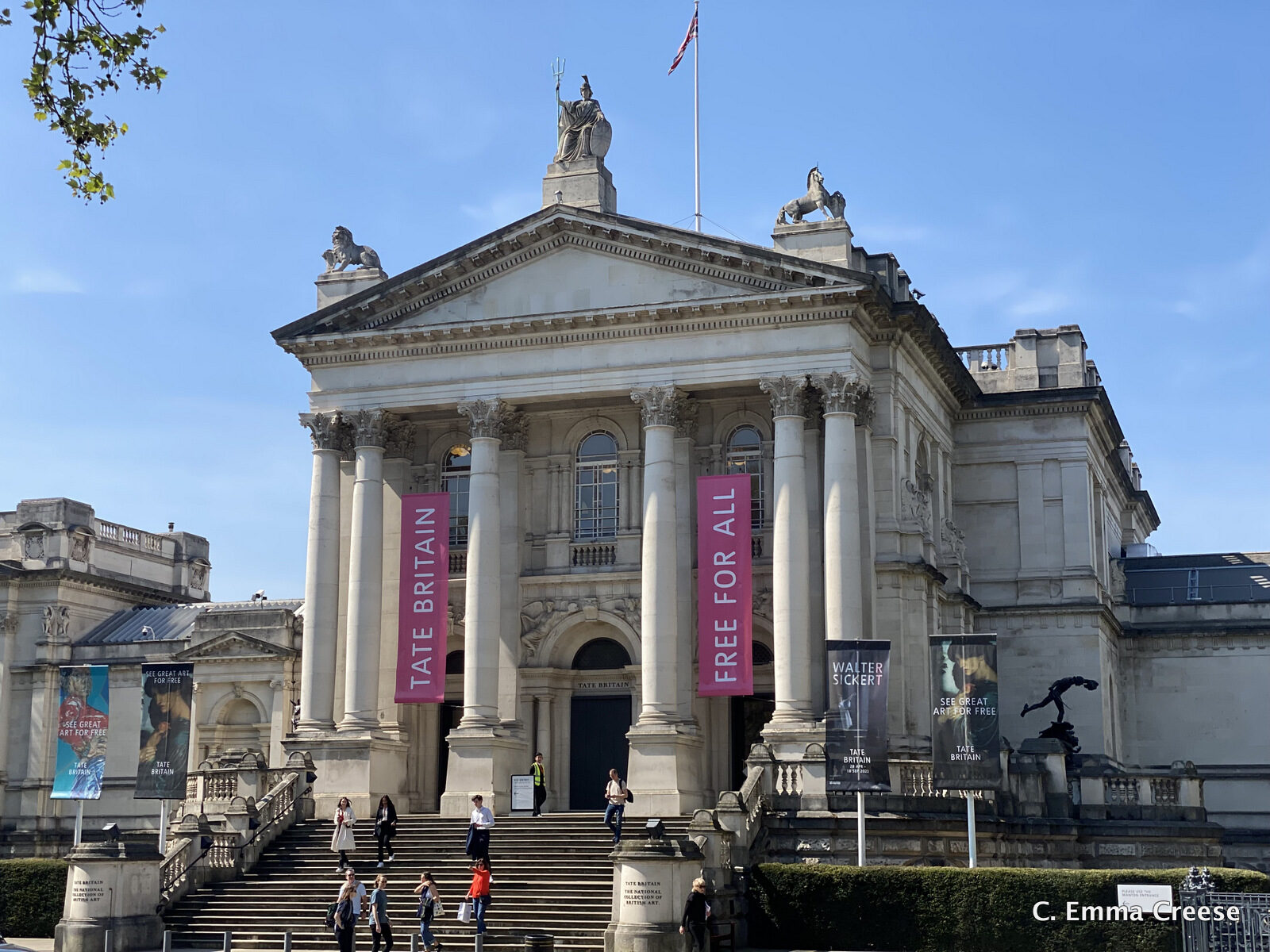
Millbank is a short walk from Georgian House along the river, and Tate Britain is there if you want to anchor the morning to something. It opens at ten, which fits naturally into a slow morning that starts with a breakfast at the Pimlico Pantry and a walk through the squares first.
The permanent collection — British art from the 1500s to the present — is free to enter, and on a summer weekday morning before the school groups arrive, the galleries are genuinely quiet. It’s one of the better-kept free mornings in London, and the building itself, overlooking the Thames on Millbank, is worth the walk even before you go inside.
The Embankment
The Thames path along Millbank and the Embankment is worth including if the morning is warm enough. The river in summer has its own rhythm, and walking along it back toward Chelsea Bridge or Vauxhall Bridge gives you a different angle on this part of London — wide and open in a way the residential streets aren’t. It connects naturally to a morning that starts in the squares and ends back at the hotel before the day’s main plans begin.
Back for breakfast
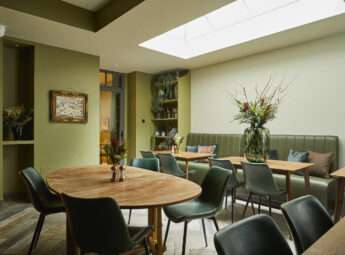
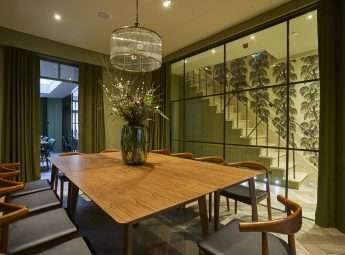
Georgian House’s Pimlico Pantry serves breakfast on Saturdays and Sundays from 8am, and weekdays from 7:30am. A slow summer morning works well when it ends with a proper cooked breakfast rather than before it begins — head out first, come back when you’re ready. The Pantry does light lunches too if the morning runs long.
Find out more about food and drink at Georgian House
The neighbourhoods outside the hotel are one of the genuine arguments for staying here. Not just that Pimlico is calmer than the tourist zones, but that the streets themselves are worth spending time in — which is a different thing from being conveniently located near the things you came to see.